

The Grassroots Story of LGNC
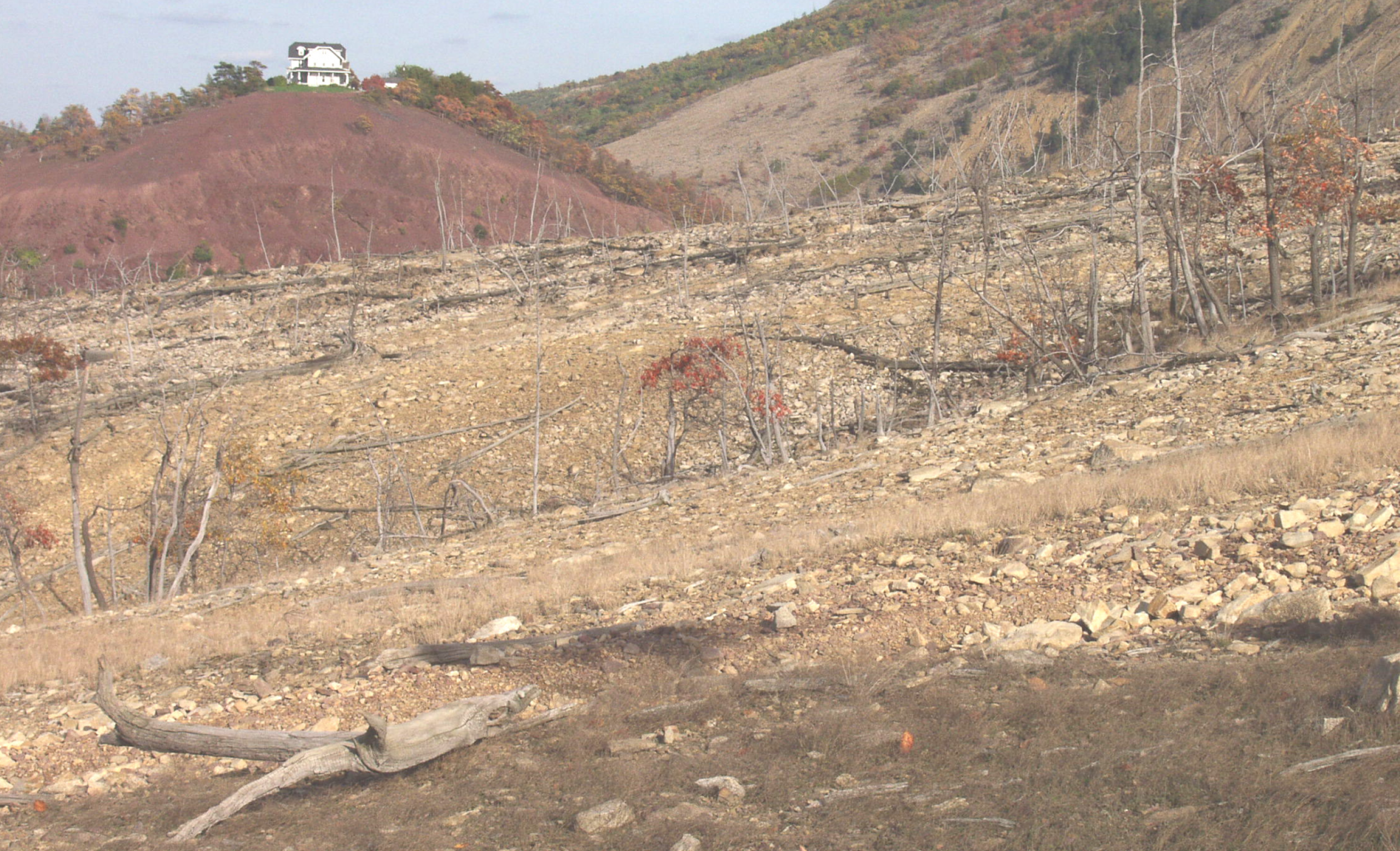
In 1898, the New Jersey Zinc Company (NJZ) began smelting zinc immediately north of where LGNC is located today. The company produced some of the world’s highest quality zinc and zinc byproducts for more than 80 years. Although this had a positive social and economic impact on the region, NJZ operated at a time when pollution control was limited. By the 1950s, its emissions had contaminated and denuded approximately 3,000 acres of mountainside around the Lehigh Gap.
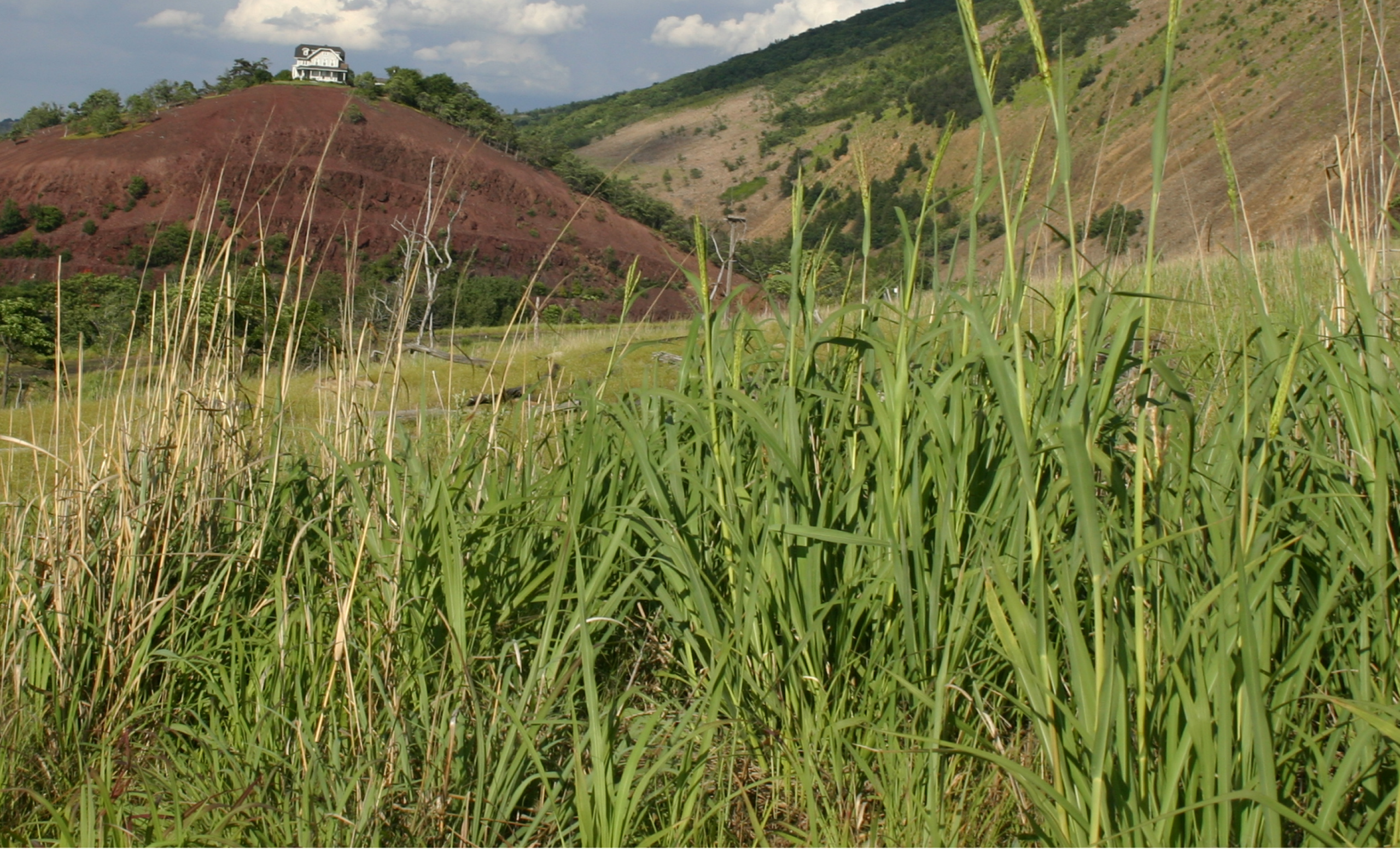
The Environmental Protection Agency (EPA) established a Superfund site at the Lehigh Gap in 1983 with the goal of remediating the impacted area. Nearly 20 years later, LGNC purchased hundreds of acres of barren and polluted mountainside to create the first nature center in the U.S. on a Superfund site. LGNC has since worked with EPA and numerous other partners to revegetate its refuge with native prairie grasses. Today, the ecosystem thrives, and LGNC’s education, research, and outdoor recreation initiatives benefit tens of thousands of people per year.
LGNC Through the Years

Geologic History and Prehistory
450-270 million years ago
The Appalachian Mountains formed through two major tectonic collision events, which uplifted and deformed the layers of sandstone, mudstone, and conglomerate that now make up the core of the Kittatinny Ridge. Once as high as the Andes, the mountains have since weathered and eroded to their present elevation of about 1,300 feet at the Lehigh Gap.

100 million to 1 million years ago

18,000 years ago
As the most recent Ice Age came to an end, the Laurentide Ice Sheet began to recede from present-day Pennsylvania. At this time, a mile-tall wall of ice – likely visible from the Lehigh Gap – towered north of the Kittatinny Ridge. Although the ice sheet never passed through the Gap, the Ice Age left behind a barren and rocky landscape.

13,000 years ago

13,000 years ago through present
The Lehigh Gap is located within the heart of Lenapehoking, the ancestral homeland of the Lenape People. For generations, the Lenape and their ancestors hunted, fished, gathered, and farmed in the vicinity of the Lehigh Gap. A vast savannah atop the Kittatinny Ridge marks the location where Indigenous land stewards once used fire to manage the ecosystem for hunting and agriculture.

The Industrial Era
1730s

1790s
In 1791, anthracite coal was discovered about 15 miles northwest of the Lehigh Gap in present-day Carbon County. Mining began a year later.

1820s
The Kittatinny Ridge was a sizable barrier that separated the coal mines to the north from the coal markets to the south. As one of only two water gaps in the Ridge within close proximity to the anthracite coal region, the Lehigh Gap was an epicenter of anthracite transportation beginning in the 1820s. Between 1820 and 1912, a bustling network of dams, canal, and railroads was constructed in and along the Lehigh River. The D&L and LNE trails follow two of these historic rail corridors.

1828

1840

1898

The Superfund Era

1950s
Though unforeseen, unintended, and at the time unavoidable, by the 1950s, emissions from NJZ’s two factories had killed off much of the vegetation in and around the Borough of Palmerton. Toxic heavy metals fell from the smoke and built up on the surrounding land. Sulfur emissions produced acid rain that altered the chemistry of the soil. Without roots to hold it in place, one to two feet of topsoil washed away.

1983
The U.S. Environmental Protection Agency (EPA) designated one of the nation’s first Superfund cleanup sites on about 3,000 acres of land impacted by the pollution. This launched an intensive effort to restore the ecological health of the area.

1987
1990s

2003

The Birth and Growth of LGNC

1961
Under the mentorship of Hawk Mountain Sanctuary’s renowned curator, Maurice Broun, ornithologist Donald S. Heintzelman established the Bake Oven Knob Hawk Watch to collect raptor migration data on the Kittatinny Ridge. LGNC continues the annual Bake Oven Knob Hawk Count to this day.

1960s
In the late 1960s, Lehigh County Cultural Center director, Grant White, advocated for the establishment of an environmental education center in the Lehigh Gap. White would later play a lead role in the growth and development of LGNC as a member of its Board of Directors.

1986
Donald S. Heintzelman and Attorney Ben Sinclair founded Wildlife Information Center, Inc. (WIC) to advocate for the protection of wildlife. The organization would operate out of various locations throughout the Lehigh Valley before settling at a storefront property in Slatington, PA.

1990s
The members of WIC searched for a site to create an environmental education center. White’s bold idea inspired the group to focus their attention on the Lehigh Gap.

2002

2003

2006

2010
LGNC published the final part of its Ecological Assessment, which found that hundreds of animal, plant, fungal, and microbial species had returned to the mountain since LGNC’s restoration efforts were completed.
2010 through present

Today
Want to learn more?
From Superfund to Super Habitat
This page is sponsored by the
Henry L. Mickley/Mabel S. Fravel Charitable Trust.